Slim Fitness Bands vs. Ring Fitness Trackers: The Biggest Battle for 2024

Did you know that the wearable technology market is expected to hit a staggering $118.16 billion by 2028? That’s a whole lot of gadgets vying for your attention. So let’s get down to the details of these amazing fitness trackers, whether you’re on Team Finger or Wrist. We will see how these devices perform in terms of accuracy, battery life, and overall convenience. Stay tuned as we break down the pros and cons of slim fitness bands and ring fitness trackers to help you make an informed decision. Let the battle for your wrist (or finger) begin!
1. Size and Form Factor: Wrist vs. Finger
Comparison of visibility and discretion:
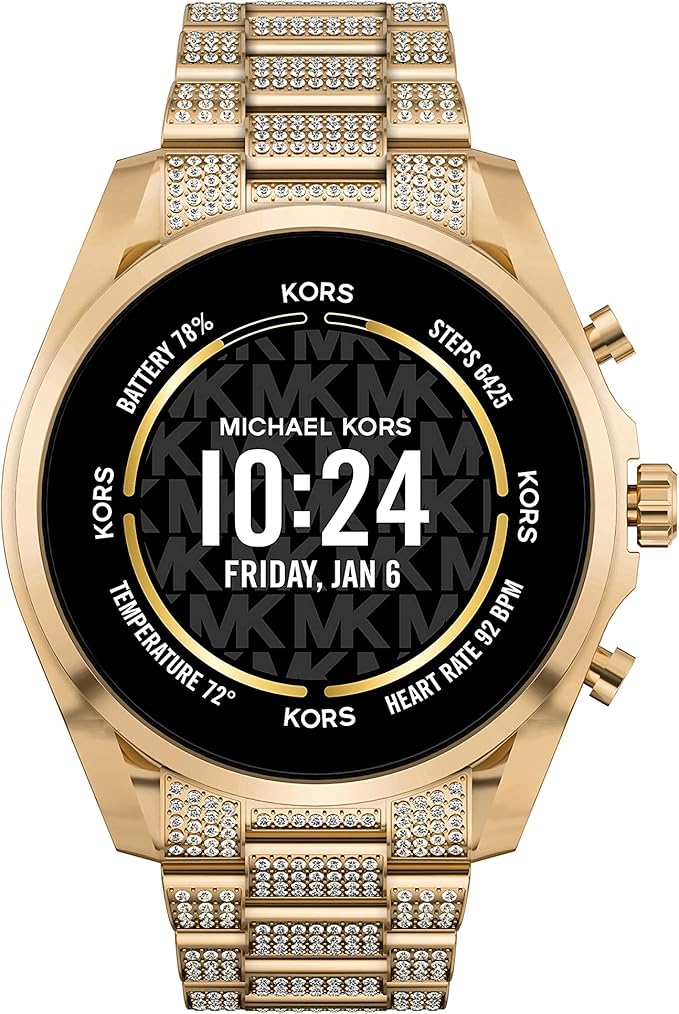
Fitness bands and finger fitness trackers differ significantly in terms of visibility and discretion. Not only do wristbands stand out more, but they are also easier to reach and read. If you would rather have a less noticeable option, finger trackers are discrete and can be easily integrated into your regular outfit.
Comfort levels for 24/7 wear:
For wearability to be consistent around the clock, comfort is essential. Although slim fitness bands fit comfortably, they can occasionally feel bulky, especially while asleep. Alternatively, finger trackers are comfortable to use all day and all night because they are thin and unobtrusive.
Impact on daily activities and professional settings:
Fitness bands are convenient for fast data checks, but they don’t always go well with business wear. Finger trackers are more discreet, but they don’t provide instant data access.
Fashion versatility and style options:
Fitness bands are available in a variety of colors and styles, allowing you to customize them to complement your wardrobe. Finger trackers, while more limited in design options, have a sleek and modern appearance that may complement any style, casual or formal.
2. Tracking Capabilities: Feature Face-Off
Step counting and distance tracking comparison:
When it comes to step counting and distance tracking, wrist and finger fitness trackers provide distinctly different experiences. Wristbands often use accelerometers and GPS for accurate distance measurement, whereas finger trackers rely on small sensors that may not be as accurate in tracking outside activities.
Heart rate monitoring accuracy:
Heart rate monitoring is a major feature in fitness trackers, and the accuracy can vary. Fitness bands usually use larger sensors, which provide more accurate readings, especially during intense workouts. Finger trackers, on the other hand, may provide less consistent heart rate data, particularly during quick movements.
Sleep tracking effectiveness:
Slim fitness bands often offer comprehensive sleep stage analysis, including REM and deep sleep phases. Finger trackers, which are more comfortable to wear overnight, also provide accurate data and detailed sleep analysis reports.
Workout detection and sports modes:
Wristbands are typically superior in terms of workout detection and sports modes. They frequently come with a range of sport-specific settings, automatic workout identification, and comprehensive performance data. Though more stealthy, finger trackers might only have a few athletic modes and less precise tracking options, concentrating mainly on tracking overall activity.
3. Display and User Interface: Screens vs. Indicators
Slim band displays: size, clarity, and functionality:
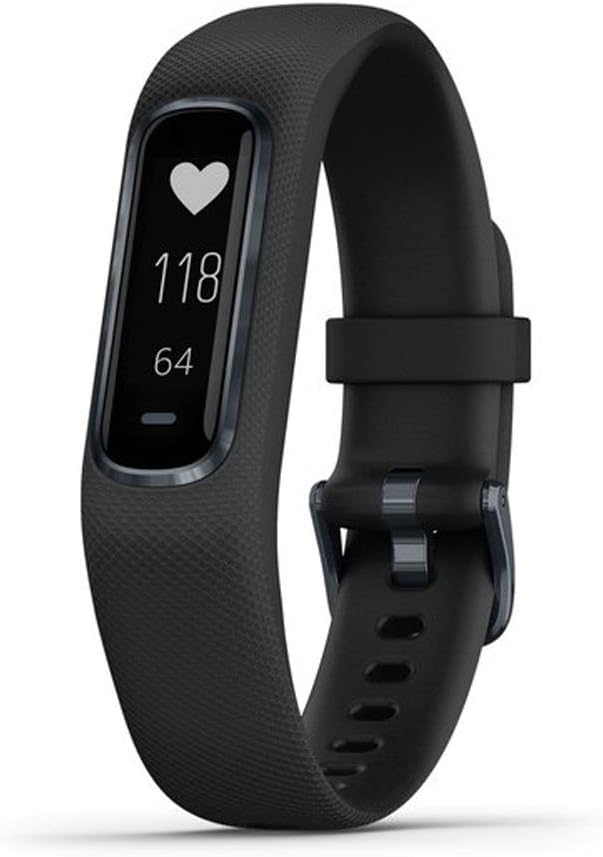
Steps, heart rate, and notifications are easily displayed on the compact screens of many slim band fitness trackers. Notwithstanding their small screens, most have excellent resolution and user-friendly touch interfaces that make navigating through functions easy.
Ring trackers: LED indicators and app reliance:
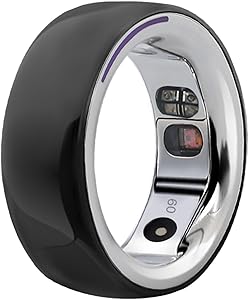
LED indicators are typically used in place of conventional screens in ring trackers. In addition to offering basic feedback like heart rate zones or daily activity goals, these lights frequently come with a companion app that offers more in-depth statistics.
Ease of checking stats on the go:
For active users, slim fitness tracker displays are convenient since they provide fast peeks at important parameters right on the wrist. However, because ring trackers don’t have screens, they mostly rely on smartphone apps to retrieve data, which can be inconvenient while you’re on the go.
Customization options for information display:
With slim band trackers, you may customize the information display with additional options—many watch faces and data combinations to choose from—to better fit your preferences. Ring trackers are known for their understated designs and limited customization options.
4. Battery Life and Charging: Power Players
Average battery life comparison:
Battery life is a critical factor for fitness trackers, both fitness tracker bands and rings. have a wide range of battery life, with some lasting only a few days and others lasting up to a week or more. Charging times also vary, with some models requiring only an hour to fully charge while others may take longer.
Charging methods and convenience:
Slim band trackers usually use proprietary charging cables or docks, which might be quick and easy to use but require carrying an additional item. Ring trackers, on the other hand, may use specialized charging cases or USB ports.
Impact of features on battery performance:
Advanced features like GPS, continuous heart rate monitoring, and bright displays can drain battery life quickly in wrist fitness trackers. Ring trackers, while having fewer features, may still see battery drain from constant Bluetooth connectivity and app synchronization.
Power-saving modes and options:
Slim band trackers tend to have features such as low-power modes, adjustable screen brightness, and the ability to switch off specific sensors. Ring trackers may provide simple power-saving settings, such as reduced LED usage or less frequent data syncing, to help extend battery life.
5. Durability and Water Resistance: Built to Last?
Materials and construction comparison:
Slim band trackers frequently use a combination of silicone, stainless steel, and toughened glass, resulting in a durable design that can resist daily wear and tear. Ring trackers are often made of tough materials, such as titanium or stainless steel, with scratch-resistant coatings to ensure their lifespan despite their small size.
Water resistance ratings for swimming and showering:
Water resistance is an important feature for people who want to use their trackers when swimming or showering. Slim bands typically have varied degrees of water resistance, with several certified up to 50 meters, making them appropriate for swimming. Ring trackers, while generally more resistant to moisture due to their contained form, can have varying water resistance ratings, with some being water-resistant up to 100 meters.
Scratch and impact resistance:
Fitness tracker bands with Gorilla Glass screens or comparable materials are meant to withstand scratches and moderate collisions. Ring trackers, with their tiny and enclosed shape, are less prone to screen scratches, but they still require durable materials to withstand scratches and dents.
Longevity and wear-and-tear considerations:
Wrist trackers, particularly those with larger screens and more moving elements, may develop signs of wear over time, such as fading straps or scratched displays. Ring trackers, which are more compact and often composed of strong metals, have a longer lifespan, but the outside surface may degrade with heavy use.
6. Smart Features: Beyond Basic Tracking
NFC and contactless payments:
Fitness trackers with contactless payment and NFC capabilities are becoming more common. Slim band trackers and ring trackers with small sizes may also have NFC capabilities, which makes it easy to make purchases without carrying a wallet or phone.
Music control and smart home integration:
Many wrist trackers allow you to manage music playback, volume, and skip tracks right from your smartphone. Some even interact with smart home systems, giving you control over lighting, thermostats, and other linked devices. Ring trackers can also provide modest music control via partner apps or simple gestures.
GPS functionality and location tracking:
GPS technology and location monitoring are beneficial to outdoor enthusiasts and runners. Slim bands frequently include built-in GPS or the ability to connect to a smartphone’s GPS for precise route, distance, and speed tracking. Ring trackers, which typically lack built-in GPS due to size limits, may still provide rudimentary location tracking functionality through smartphone pairing, offering an overview of activity routes and locations.
7. Price Point and Value for Money
Cost comparison across popular models:
Fitness trackers come at a wide range of prices. Depending on features and manufacturer, slim bands can range from affordable models around $100 to high-end models over $300. Due to its unique technology and recent release onto the market, ring trackers may have a higher initial cost, often between $150 and $300 or more.
Feature-to-price ratio analysis:
Slim fitness bands generally have a rich set of features—such as advanced health metrics, smart notifications, and GPS—at various price points, providing good value for those seeking comprehensive functionality. Ring trackers, on the other hand, may offer a more limited set of features but are valued for their discreet design and comfort.
Long-term value and durability considerations:
Slim fitness bands, especially those with replaceable straps and robust materials, may be used for extended periods of time, making them a solid investment. Ring trackers, built with durable materials like titanium and designed for daily wear, are also a good long-term investment due to their ability to withstand daily use and potential wear and tear.
Subscription services and additional costs:
Some fitness trackers have subscription services that provide additional features and access to membership content. These additional charges, which typically range between $5 and $15 each month, might have an impact on the total value proposition.
Choosing Your Champion: Which One’s Right for You?
1. Lifestyle and activity level considerations:
- When deciding between slim band trackers and ring fitness trackers, think about your lifestyle and activity level.
- If you are an active person who participates in a variety of workouts, you may benefit more from thin bands’ extensive tracking and sports settings.
- Ring trackers, on the other hand, may appeal to individuals with a more casual lifestyle because of their simplicity and discretion, while still monitoring daily activity and basic health measures.
2. Personal preferences for wearables:
- If you like a more classic watch-like appearance or want a device that fits in with your style, a wrist band may be the way to go.
- Ring trackers, on the other hand, provide a sleek and unobtrusive alternative for those who want minimalism and a technology that is less obvious.
3. Specific health and fitness tracking needs:
- Your specific health and fitness tracking needs should guide your choice of trackers.
- For example, if you are focused on monitoring your heart rate during exercise, a wrist band with continuous heart rate monitoring may be more suitable.
- Alternatively, if you are looking to track your sleep patterns or stress levels throughout the day, a ring tracker with these features may be more beneficial for you.
4. Fashion and professional environment factors:
- Fashion and the professional environment also impact your selection of a fitness tracker.
- If you work in a professional setting, a sleek and discreet fitness tracker that can easily transition from the gym to the office may be preferable.
- Also, considering your personal style and how the tracker will complement your everyday wardrobe can also play a role in your decision-making process.
In Closing…
So, who comes out on top in this epic battle of the wearables? The one that fits seamlessly into your lifestyle and keeps you motivated on your fitness journey. While ring fitness trackers blend in with comfort and discretion, slim fitness bands add bling with their visible displays and extensive tracking. In the end, the choice between a ring fitness tracker and a slim fitness band is based on your personal preferences and priorities.
And who says you can’t have both? Both options offer unique benefits, so don’t be afraid to mix and match to create the perfect fitness tracking solution for you.