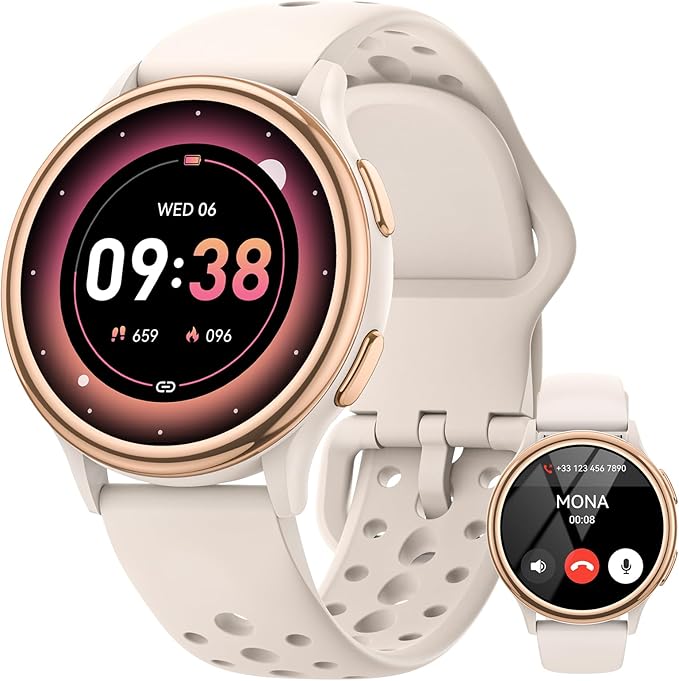
The Revolution of Health Monitors in Telemedicine: Transforming Healthcare in 2024

Did you know that the global telemedicine market is expected to skyrocket to a mind-boggling $396.76 billion by 2027? This growth is largely driven by the increasing demand for remote healthcare services and advancements in technology.
Telemedicine offers convenient access to medical care, especially in rural or underserved areas, and allows for more efficient use of resources.
Whether you’re a tech-savvy patient or a forward-thinking healthcare provider, telemedicine is revolutionizing the way healthcare is delivered and received.
Embracing telemedicine can lead to improved patient outcomes, reduced healthcare costs, and increased overall satisfaction with the healthcare experience.
So let’s examine how these innovative devices are transforming our homes into cutting-edge medical monitoring centers.
The Evolution of Health Monitors: From Hospital to Home
Key Technological Advancements Enabling Home Use
Significant technological developments have revolutionized health monitoring by making devices more portable and user-friendly and enabling their widespread use in homes. Examples of these developments include miniaturization, wireless connectivity, and the creation of wearable sensors.
The Impact of COVID-19 on Telemedicine Adoption
The greater reliance on home health monitoring devices was sped up by the COVID-19 pandemic, where person-to-person contact was discouraged. This adoption of telemedicine enabled patients to track their health metrics and communicate with healthcare providers remotely around the world.
Shifting Patient Expectations and Healthcare Delivery Models
The trend toward home health monitoring is changing healthcare delivery models by emphasizing preventive care and continuous monitoring, which lowers the need for recurrent hospital stays and improves overall health outcomes.
Mental Health and Wellness: The New Frontier in Telemedicine
Stress and Anxiety Monitoring Devices
Stress and anxiety monitoring devices are becoming indispensable telemedicine tools. These devices use wearable sensors and smartphone apps to track physiological indicators such as heart rate variability and cortisol levels, managing and mitigating stress and anxiety.
Sleep Tracking Technologies for Mental Health
Wearable technology, smartphone apps, and smart mattresses are just a few examples of the sleep tracking devices that are being used more frequently to track sleep patterns and spot disruptions. This information provides a useful connection between mental health and sleep quality.
Top 7 Health Monitors Revolutionizing Telemedicine in 2024
Telemedicine has improved healthcare delivery by making it more accessible and convenient. The health monitors listed below will be at the forefront of this change in 2024, with increased capabilities and integration with telemedicine platforms.
1. Apple Watch Series 9

A comprehensive health monitor with ECG, blood oxygen, and heart rate tracking.
Unique Features: Fall Detection and Crash Detection can connect you with emergency services in the event of a hard fall or a severe car crash.
Technological Innovations: Enhanced sensor accuracy, low-power consumption, seamless integration with Apple Health.
Target Health Conditions: heart rhythm (ECG), blood oxygen levels. tracking your sleep. temperature sense, mental state to support the development of emotional intelligence and resilience.
Telemedicine Integration: Syncs with telemedicine platforms for real-time health data sharing.
2. Fitbit Inspire 3

A smartwatch focused on overall wellness with stress management and heart health tracking.
Unique Features: EDA (Electrodermal Activity) sensor for stress monitoring, ECG, skin temperature tracking.
Technological Innovations: continuous heart rate monitoring.
Target Health Conditions: Stress Management Score, irregular heart rhythm notifications, menstrual health tracking, resting heart rate.
Telemedicine Integration: Premium membership complete with personalized insights, advanced analytics
3. AliveCor KardiaMobile
A device that captures unlimited medical-grade EKGs in 30 seconds and provides instant analysis right on your smartphone.
Unique Features: EKG Monitor
Technological Innovations: Advanced AI algorithms for arrhythmia detection.
Target Health Conditions: cardiac arrhythmias, atrial fibrillation. It is not recommended for use with pacemakers and ICDs and does not detect heart attacks.
Telemedicine Integration: Compatible with the Kardia app, it shares data with healthcare providers via telemedicine platforms.
4. V2 KETOSCAN Mini

The Ketoscan Mini is a portable breath acetone analyzer that detects ketone levels and calculates body fat burning rate in exhaled breath.
Unique Features: Fat burning monitor.
Target Health Conditions: body fat loss, body weight, ketosis level
Telemedicine Integration: Record and monitor your acetone levels and weight daily, weekly, and on a monthly basis with the mobile app.
5. Clearblue Fertility Monitor

A fertility monitor that tracks both estrogen and luteinizing hormone (LH) to help you detect all your fertile days
Unique Features: A monitor that has an easy-to-use touch screen and stores up to 6 cycles of your personal information
Technological Innovations: Advanced sensor technology, comfortable wearable design.
Target Health Conditions: Fertility tracking, menstrual cycle monitoring.
6. Glucoracy Blood Glucose Monitor Kit

A smart blood sugar monitor designed for easy diabetes management.
Unique Features: It has anti-interference responsive blood sugar test strips and a large memory glucometer, providing accurate and reliable results.
Technological Innovations: Get easy-to-read results on a 2.7″ large screen display in 5 seconds.
Target Health Conditions: Diabetes Management.
7. JCRing Smart Ring

JCRing is a health tracker that uses pulse readings from your fingers to provide more accurate health data monitoring.
Unique Features: uses the latest instant capture technology.
Technological Innovations: Waterproof, Dustproof, and Shockproof It has sensors that can accurately monitor more than 25 biometric technologies.
Target Health Conditions: sleep disorders, overall wellness, activity tracking.
Telemedicine Integration: Data Syncs with the JCRing App
Wearable Health Monitors: 24/7 Patient Insights
Smartwatches and Fitness Trackers in Clinical Use
With features like blood oxygen levels, ECG readings, and heart rate monitoring, smartwatches and fitness trackers are being used in clinical settings more and more. This is because they provide continuous health data that helps with the early detection and management of a variety of medical conditions.
Smart Clothing with Embedded Sensors
An entirely new level of health monitoring is possible with smart clothes that have embedded sensors. These sensors enable the continuous collection of physiological data, such as temperature, muscle activity, and respiratory rate, giving doctors a complete picture of a patient’s health and fitness.
Patch-Based Monitoring Systems
Patch-based monitoring systems are a non-invasive, comfortable option for chronic disease management and long-term health tracking. They are made to stick to the skin and provide continuous monitoring of vital signs like heart rate, blood sugar, and hydration status.
Implantable Devices for Long-Term Health Tracking
Long-term health tracking is being revolutionized by implanted devices that monitor a patient’s health parameters from within the body. These devices provide continuous data collection and real-time alerts for potential health issues.
In Closing…
This is an era where being proactive about your health is easier than ever. With advancements in technology and increased access to information, you have more tools at your disposal to take control of your well-being. So it is important to stay informed and utilize these devices and resources to make informed decisions about your health.